
Being called stupid by a doctor while you’re in severe pain is dehumanizing. Now imagine the nurse attending to you was just berated by their boss in the hallway. Tension. Disrespect. Emotional landmines.
Sadly, this isn’t a rare incident. It’s happening in hospitals and workplaces more often than we’d like to admit. And what’s the real root cause?
👉 A dangerous lack of leadership.
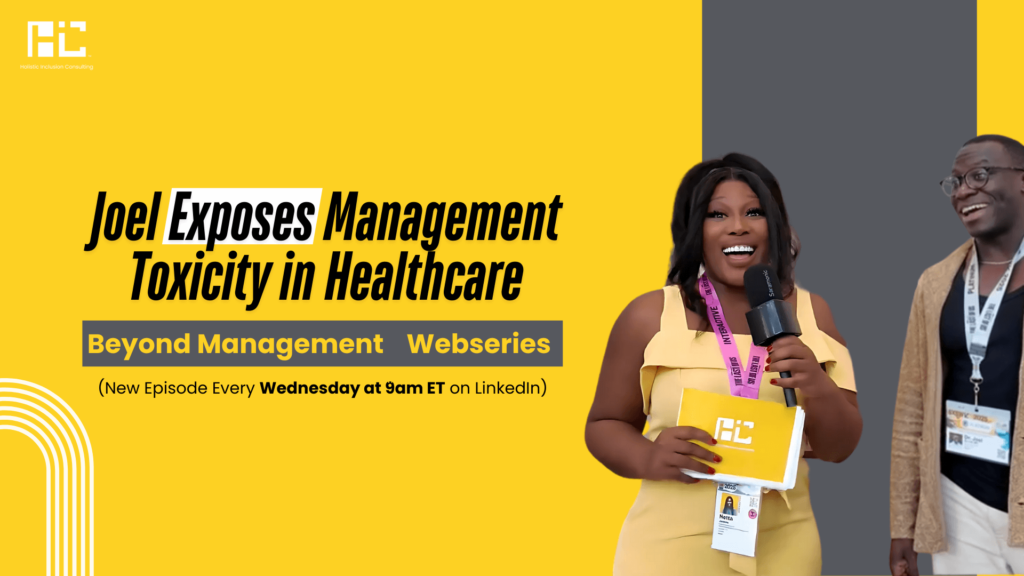
I recently spoke with Joel Bervell, known to millions as the “Medical Mythbuster.” You’ve probably seen him on The Kelly Clarkson Show, read his insights as a LinkedIn Top Voice, or caught his viral animated kids’ series aimed at demystifying medicine for young minds.
Behind the scenes, Joel has been peeling back the curtain on healthcare and what he shared was eye-opening:
Toxic leadership often gets a pass in medicine because of hierarchy and numeracy. If you’ve got the title or the credentials, people assume you’re untouchable. But patients and staff suffer the consequences.
Let’s be clear: No one has the right to insult or demean you, whether they’re a doctor, manager, or anyone else. And if you’ve ever been called stupid by a boss or seen it happen to someone else here’s what you can do:.

💥 3 Power Moves to Handle a Boss Who Calls You "Stupid"
➡️ 1. Document Everything
Toxic leaders are masters of denial and deflection. That’s why paper trails matter.
- Start a private log with dates, times, exact quotes, and context.
- Record not just what was said, but how it made you feel.
- If others witnessed the incident, include their names too.
Why it matters: Patterns speak louder than moments. A well-kept record turns hearsay into evidence.
➡️ 2. Reclaim the Narrative
When someone calls you “stupid,” they’re trying to control the story. Don’t let them.
Next time, pause. Breathe. Then say something like:
“I’d like to understand where that feedback is coming from. Can you clarify?”
This subtle power move:
- Disarms them with professionalism.
- Puts the onus on them to justify their behavior.
- Often reveals they have no real feedback, just ego.
➡️ 3. Build Your Internal Alliance
No one wins a war alone, especially against systemic toxicity.
- Identify trusted HR reps or mentors within the org.
- Be honest about what you’re experiencing. Share your documentation.
- Ask questions like, “What are our protocols for disrespectful communication from leadership?”
Pro tip: If you’re in healthcare, look for wellness committees. Many hospitals now have internal teams trained to handle conflict quietly and effectively.
Why This Happens More Than You Think
Toxic leadership isn’t always loud. It can look like:
- The silent treatment when you speak up.
- Public shaming during shift change meetings.
- Blaming staff for systemic failures.
These behaviors aren’t just bad for morale, they’re dangerous for patient safety, team effectiveness, and organizational trust.
And yet, many toxic leaders keep their jobs because they’ve been around longer, or because leadership “doesn’t want drama.”
It’s time to challenge that mindset.
📢 Toxic Leadership Thrives in Silence
We need to stop normalizing cruelty in the name of credentials. Especially in healthcare, where empathy should be a core skill, not an optional trait.
If you’re a patient, advocate for yourself.
If you’re an employee, speak up smartly, safely, and strategically.
And if you’re a leader? Know this: The culture you allow is the culture you build.
🎥 Catch new episodes of the Beyond Management™ web series every Wednesday at 9 AM ET.
Until then, turn up the volume. You deserve to be heard.
Call to Action
To navigate these evolving challenges and elevate your managerial capabilities:
➡ Apply to the Super Charged Management 8-Week Accelerator (Limited spots are available for the May cohort. Secure your place today.) Apply Now
➡ Join the Super Charged Teams Pre-Order Waitlist: Sign Up
➡ Become a Member of the Managers Resource Hub: Join Now
➡ Tune into Beyond Management™ on LinkedIn Every Wednesday at 9 AM ET: Watch Now