
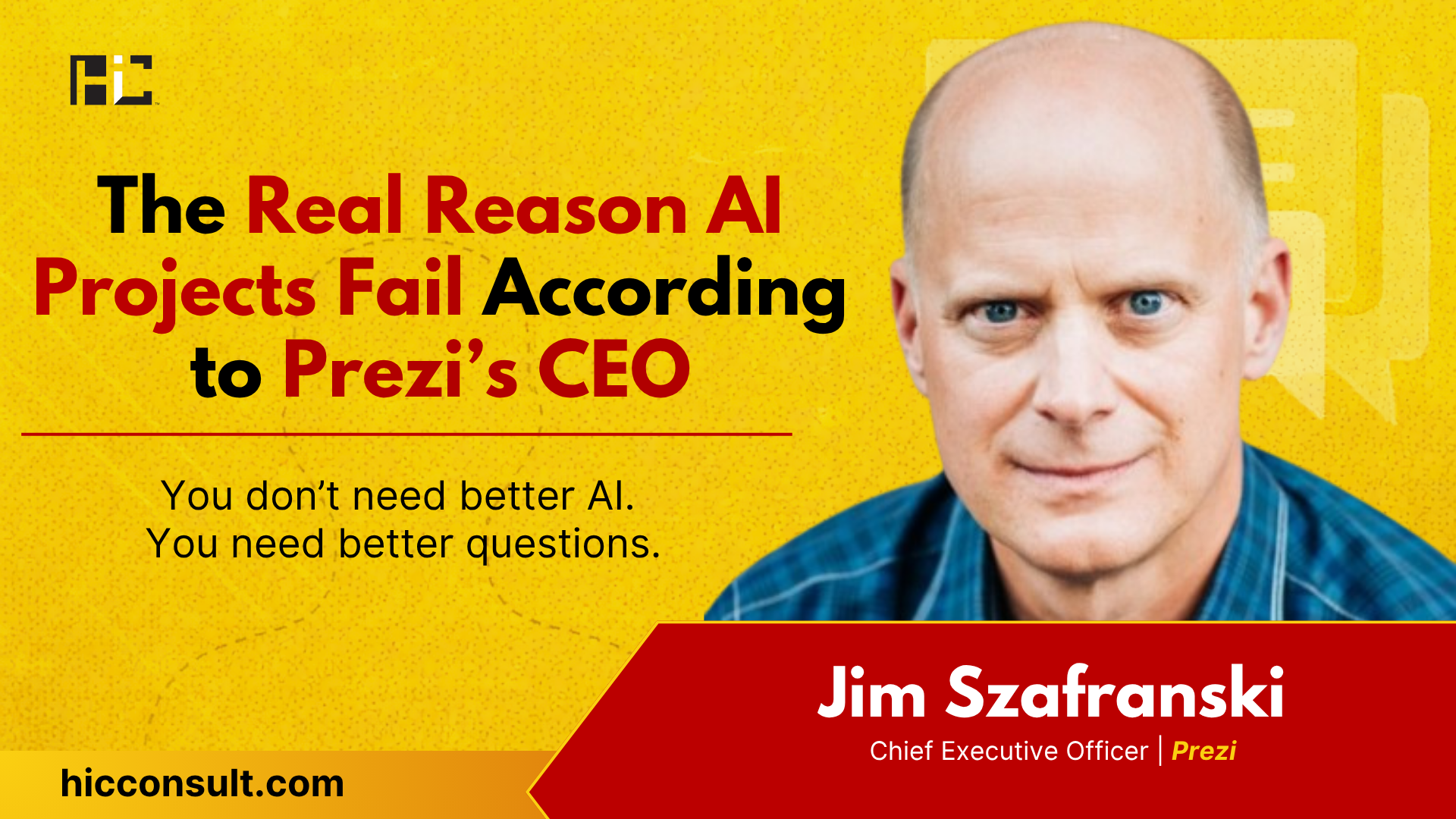
Many organizations approach AI by asking where they can use it rather than what problem actually needs solving. According to Prezi CEO Jim Szafranski, that misstep is why so many AI initiatives fail to deliver real results. The companies that succeed aren’t the ones with the most advanced technology, they’re the ones that identify the right problems and focus on outcomes that truly matter.
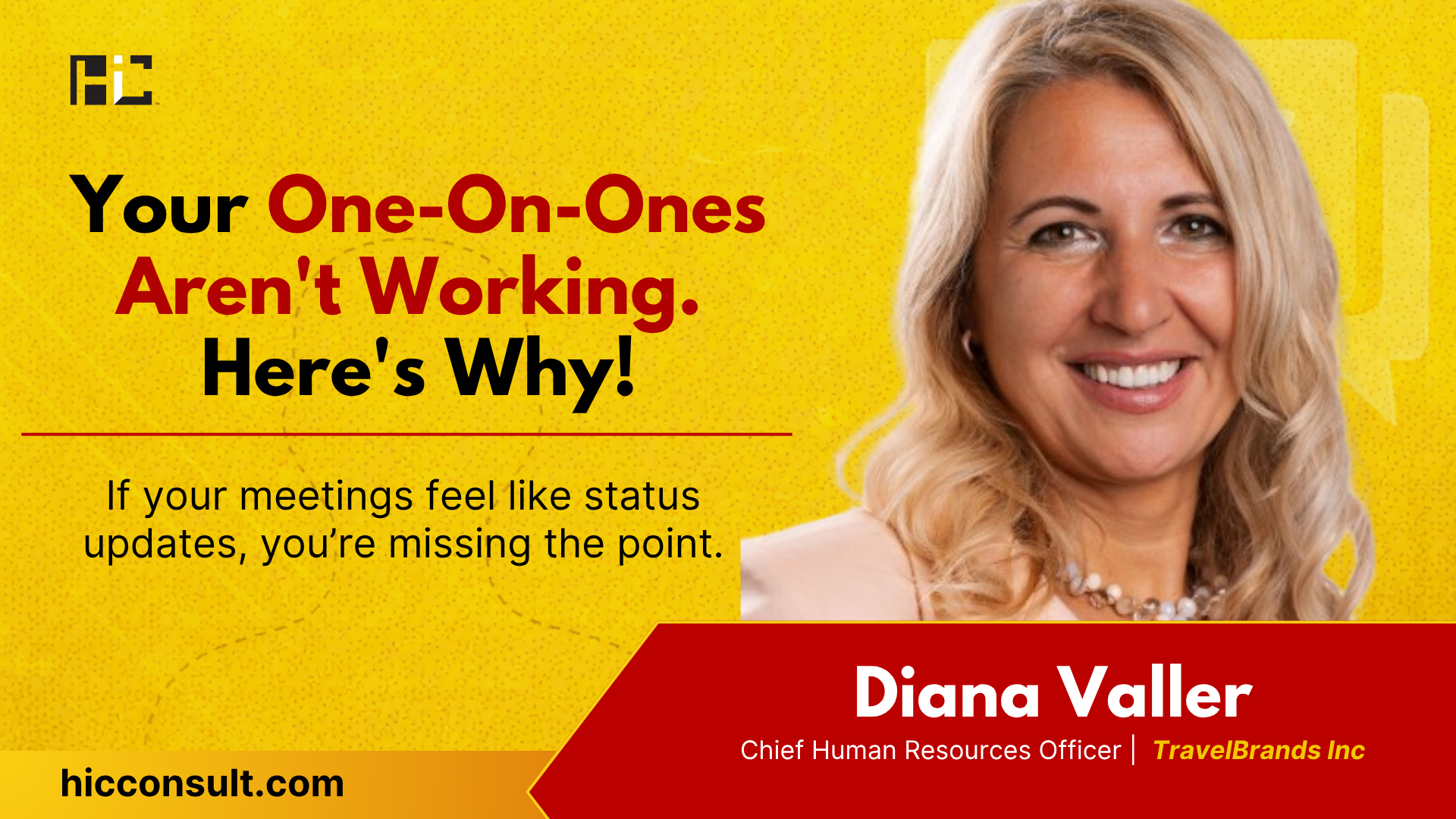
Many managers treat one-on-ones as status updates, but the most effective leaders use them to build connection, clarity, and trust. As Diana Valler, Chief Human Resources Officer at TravelBrands Inc., explains, consistent and thoughtful one-on-ones signal that employees matter. When done well, these conversations strengthen psychological safety, surface challenges early, and drive stronger engagement.
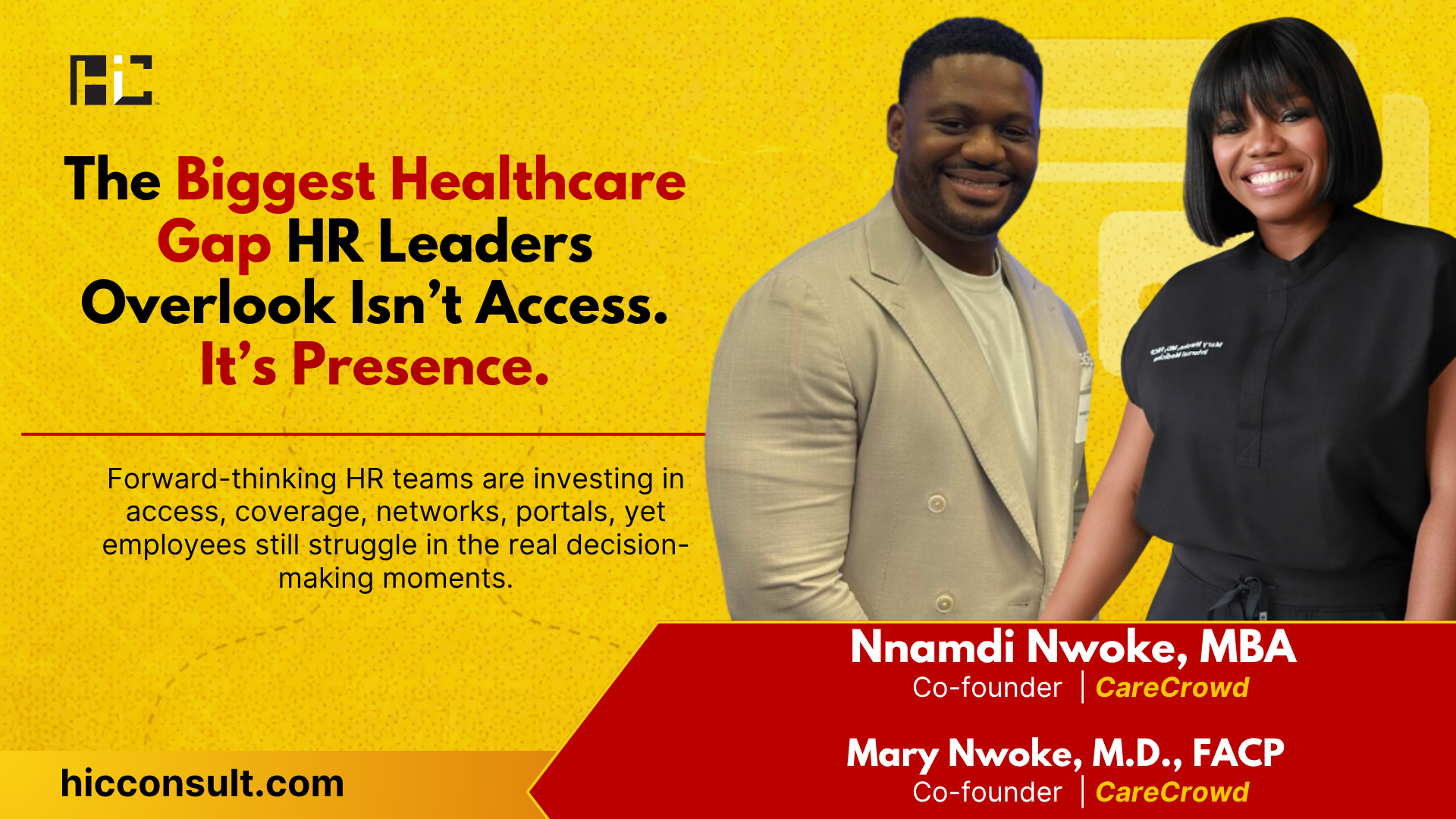
HR leaders have invested heavily in healthcare access, expanding plans, networks, and digital tools. Yet employees remain overwhelmed when navigating diagnoses, conflicting medical advice, and complex care decisions. In conversations with CareCrowd co-founders Dr. Mary Nwoke and Nnamdi Nwoke, one insight stood out: the real gap isn’t access, it’s the absence of continuous guidance when employees need it most.
At this week’s HIC Executive Roundtable, senior HR leaders reached a shared conclusion: the nine-box framework isn’t wrong, but it’s no longer enough. As Sarah Patterson, Chief People Officer at Limble, highlighted, static labels fail to capture how talent actually grows, adapts, and drives impact in today’s fast-moving organizations. Forward-thinking leaders are shifting toward dynamic, real-time ways of evaluating performance, potential, and business value.
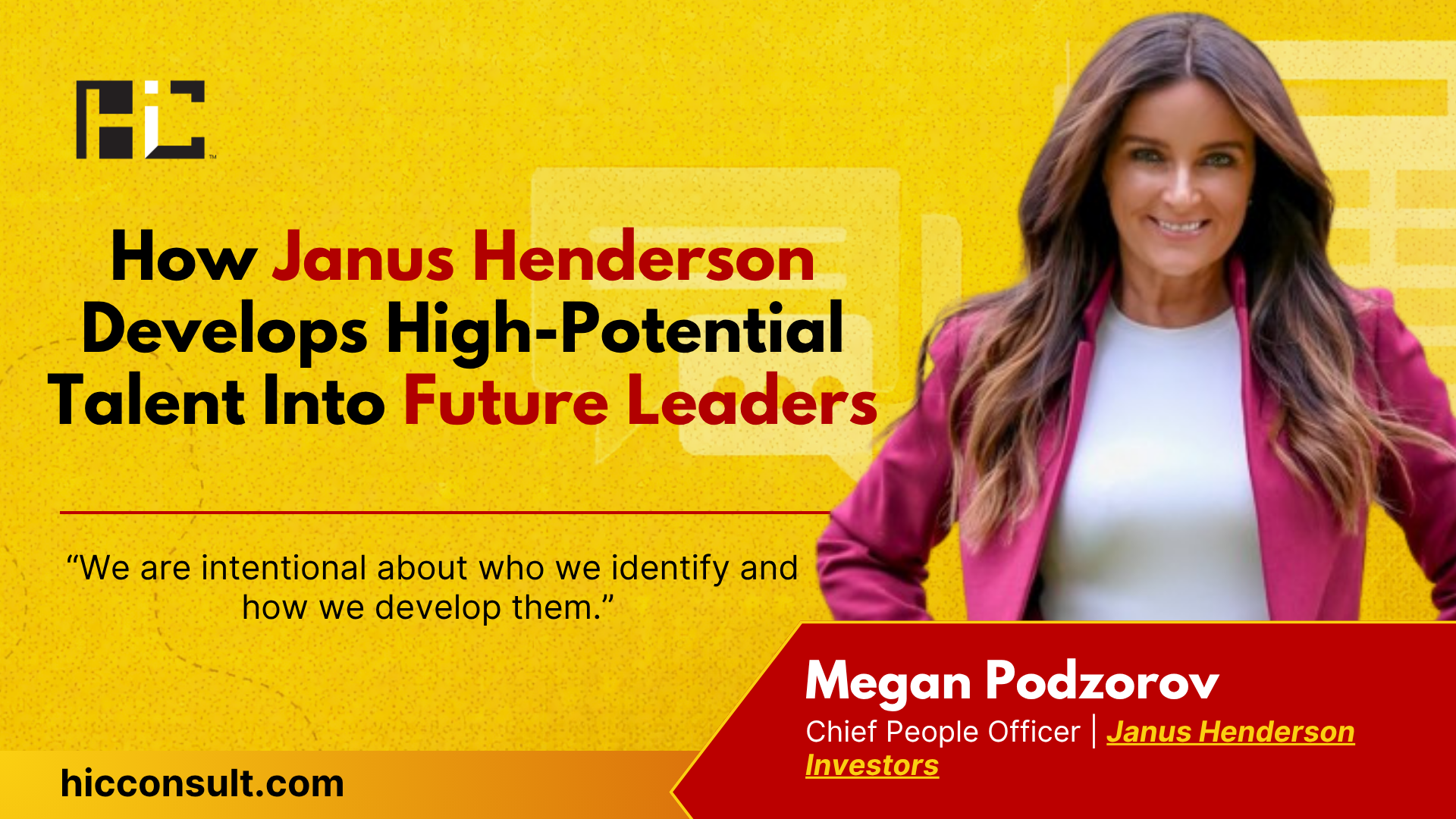
High-potential talent doesn’t develop by chance. In a recent conversation, Megan Podzorov, Chief People Officer at Janus Henderson Investors, shared how the firm takes a deliberate approach to identifying and growing future leaders. Through structured talent reviews, cross-functional calibration, and intentional exposure, the organization treats leadership development with the same discipline it applies to investment decisions.
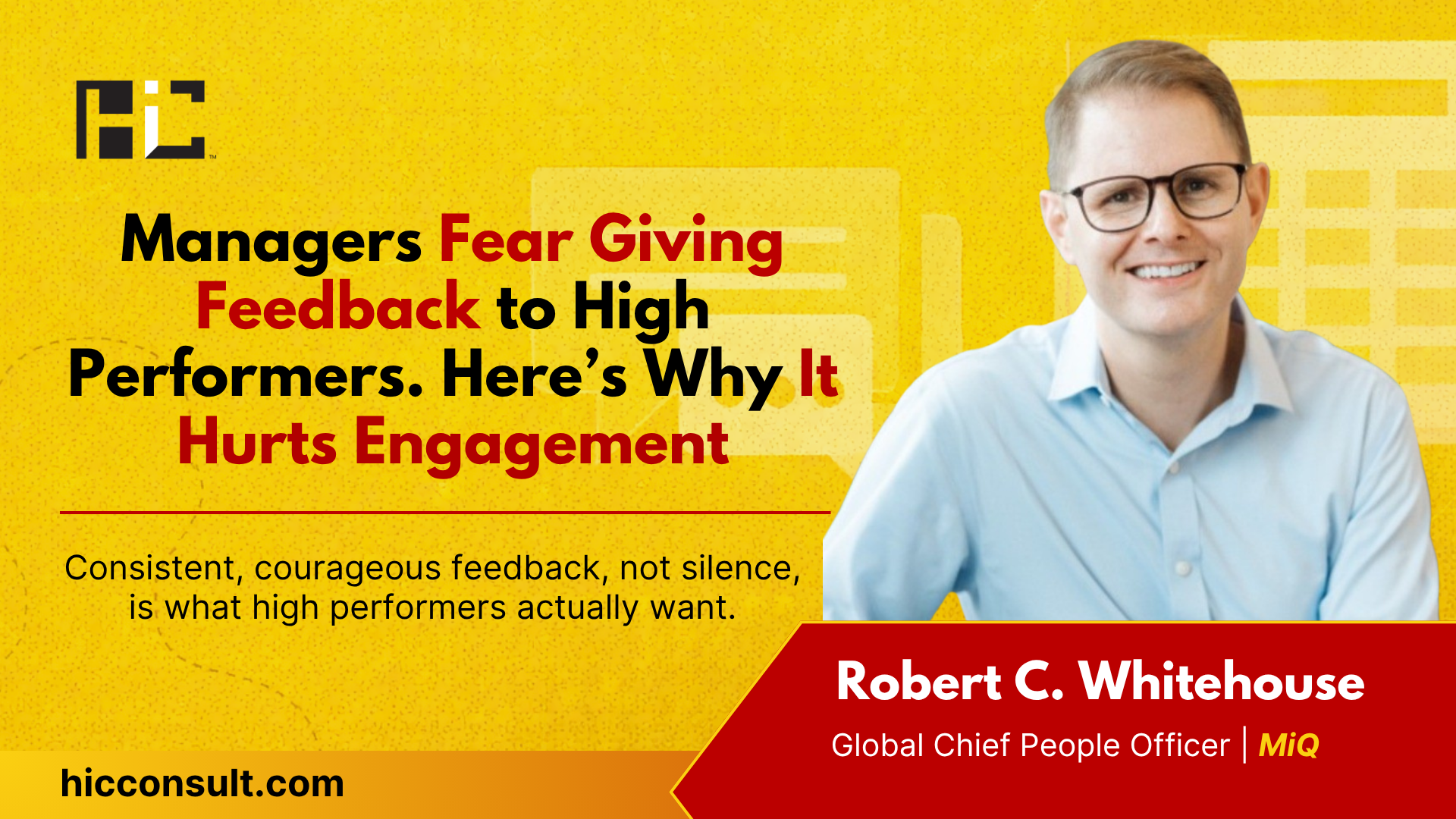
Managers often hesitate to give honest feedback to their top performers, fearing it may feel unfair or damage motivation. But that silence comes at a cost. As Robert C. Whitehouse, Global Chief People Officer at MiQ, explains, avoiding these conversations doesn’t protect high performers, it limits their growth. The leaders who drive engagement are the ones willing to have clear, consistent conversations, even with their best people.
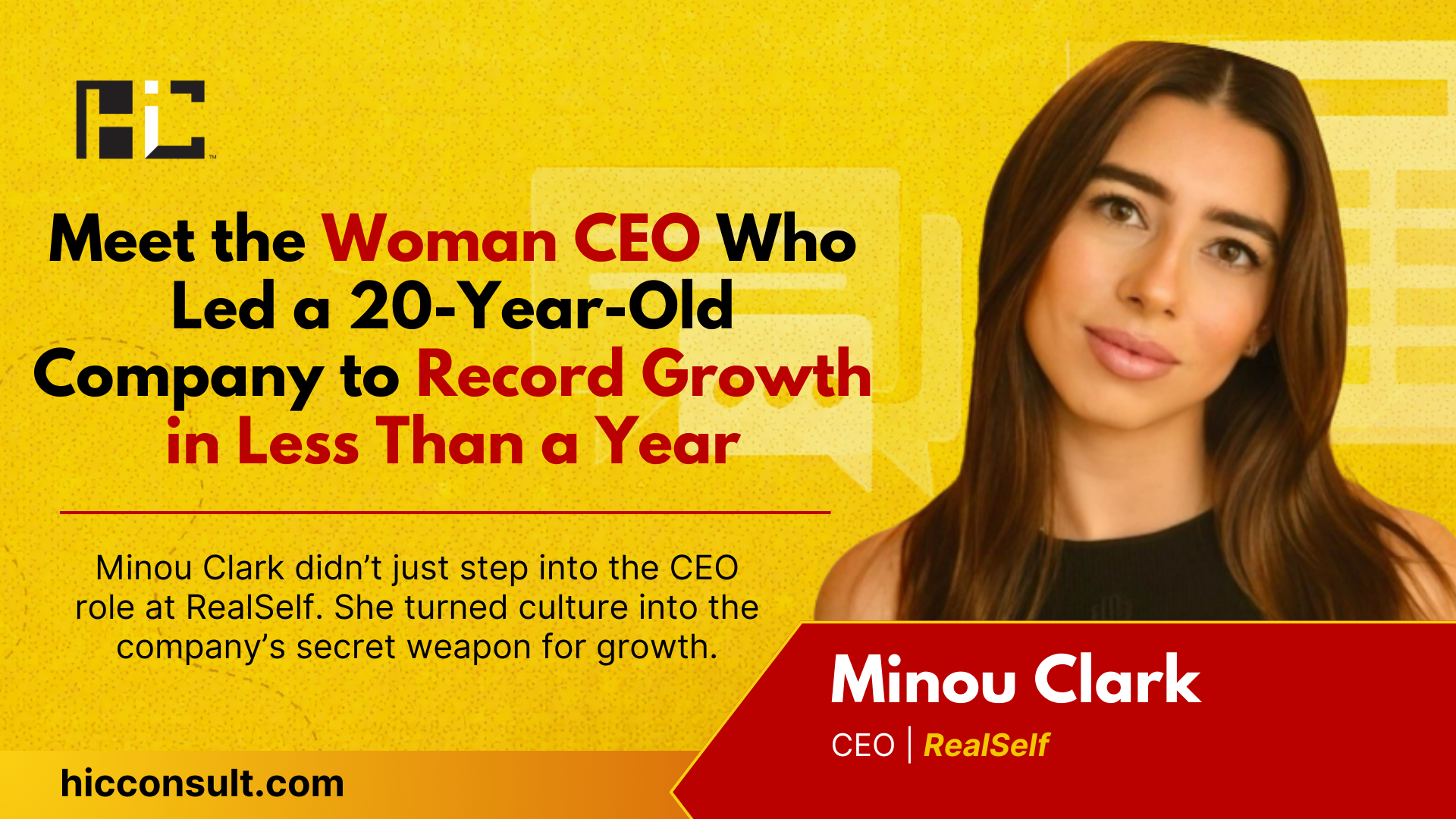
When Minou Clark became CEO of RealSelf, she inherited a 20-year-old company with entrenched habits and stalled momentum. Instead of starting with restructuring plans, she began with listening, meeting individually with 150 employees to understand where the organization had lost alignment. Within a year, that focus on clarity, culture, and accountability translated into renewed engagement and measurable business momentum.
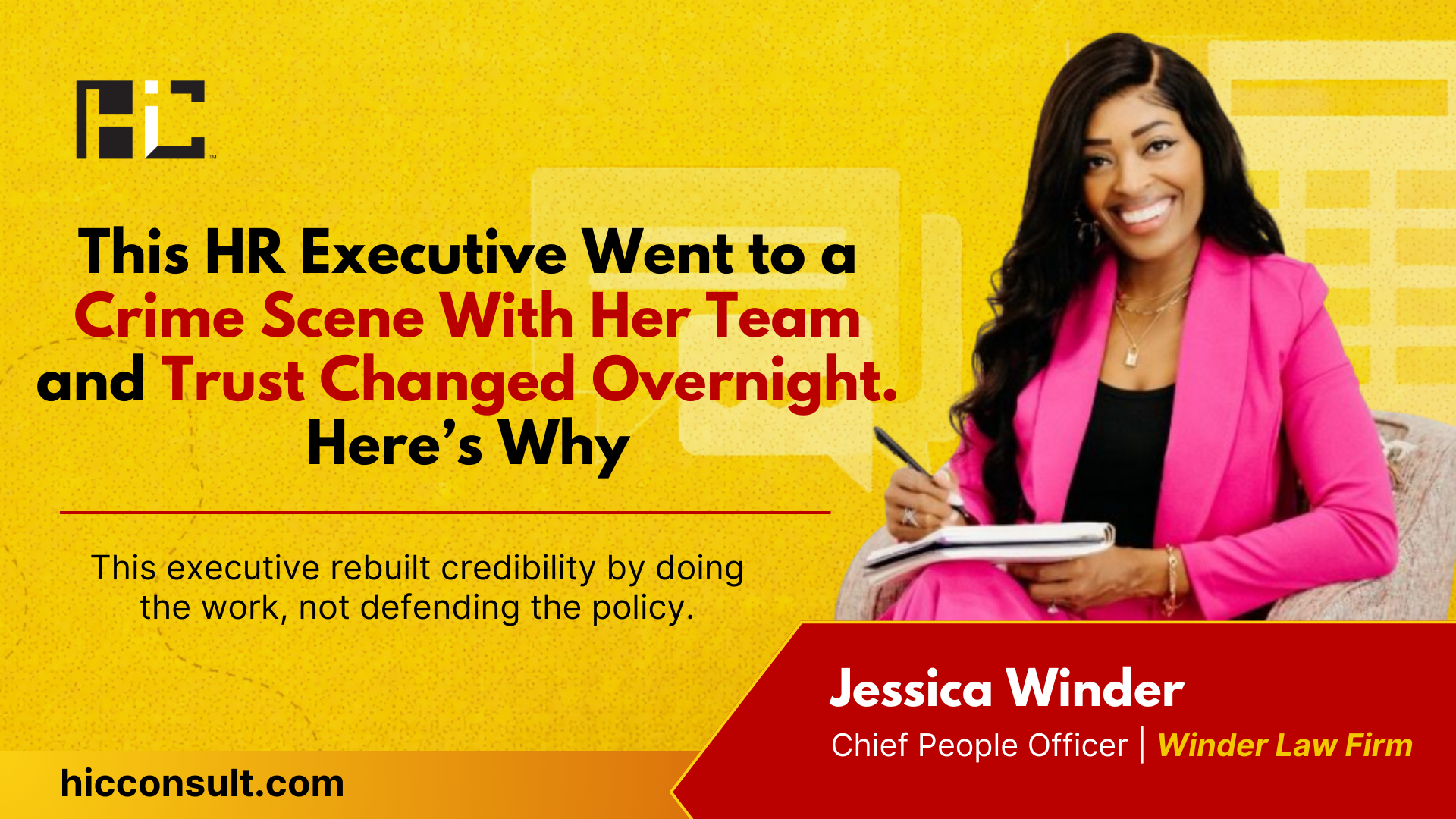
HR often struggles with a trust problem. Many employees believe HR protects the company, arrives too late, or doesn’t truly understand the realities of their work. Jessica Winder, Chief People Officer, took a different approach—earning credibility by stepping directly into frontline experiences with her team. Her approach reveals why trust in HR is built through shared experience, transparency, and action not policies alone.
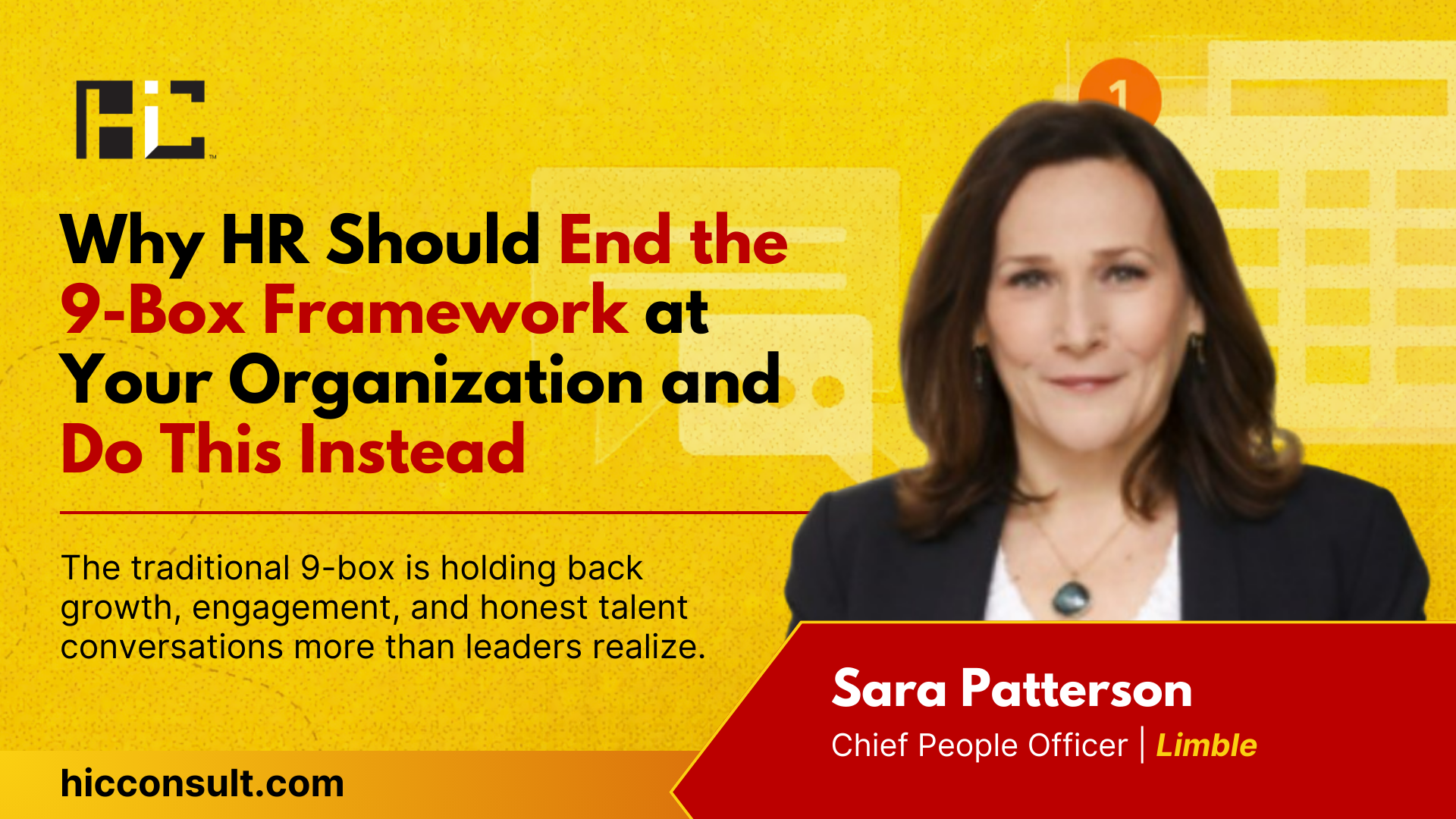
For decades, the 9-box grid has been a go-to framework for talent reviews. But as organizations move faster and work becomes more dynamic, many HR leaders are questioning whether it still serves its purpose. As Sara Patterson, Chief People Officer at Limble, notes, the framework can reduce people to static labels rather than support real development, turning talent conversations into debates about boxes instead of opportunities for growth.
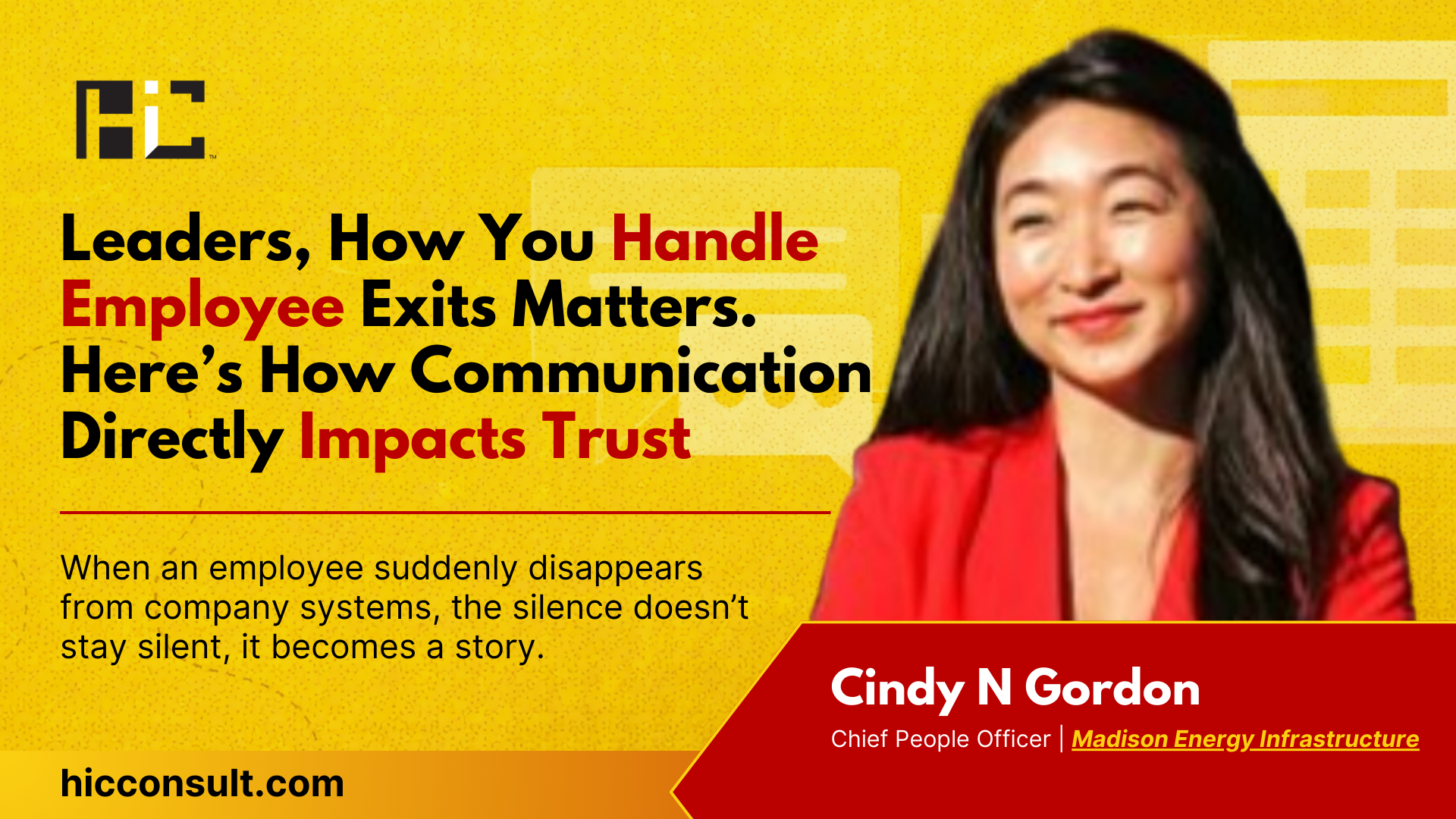
It often begins quietly: an account disabled, calendars gone, access revoked. With no explanation, teams quickly fill in the blanks and rarely with positive assumptions. In a recent conversation with Cindy Gordon, Chief People Officer at Madison Energy Infrastructure, one thing was clear: how leaders communicate during employee exits shapes trust far beyond the moment itself.
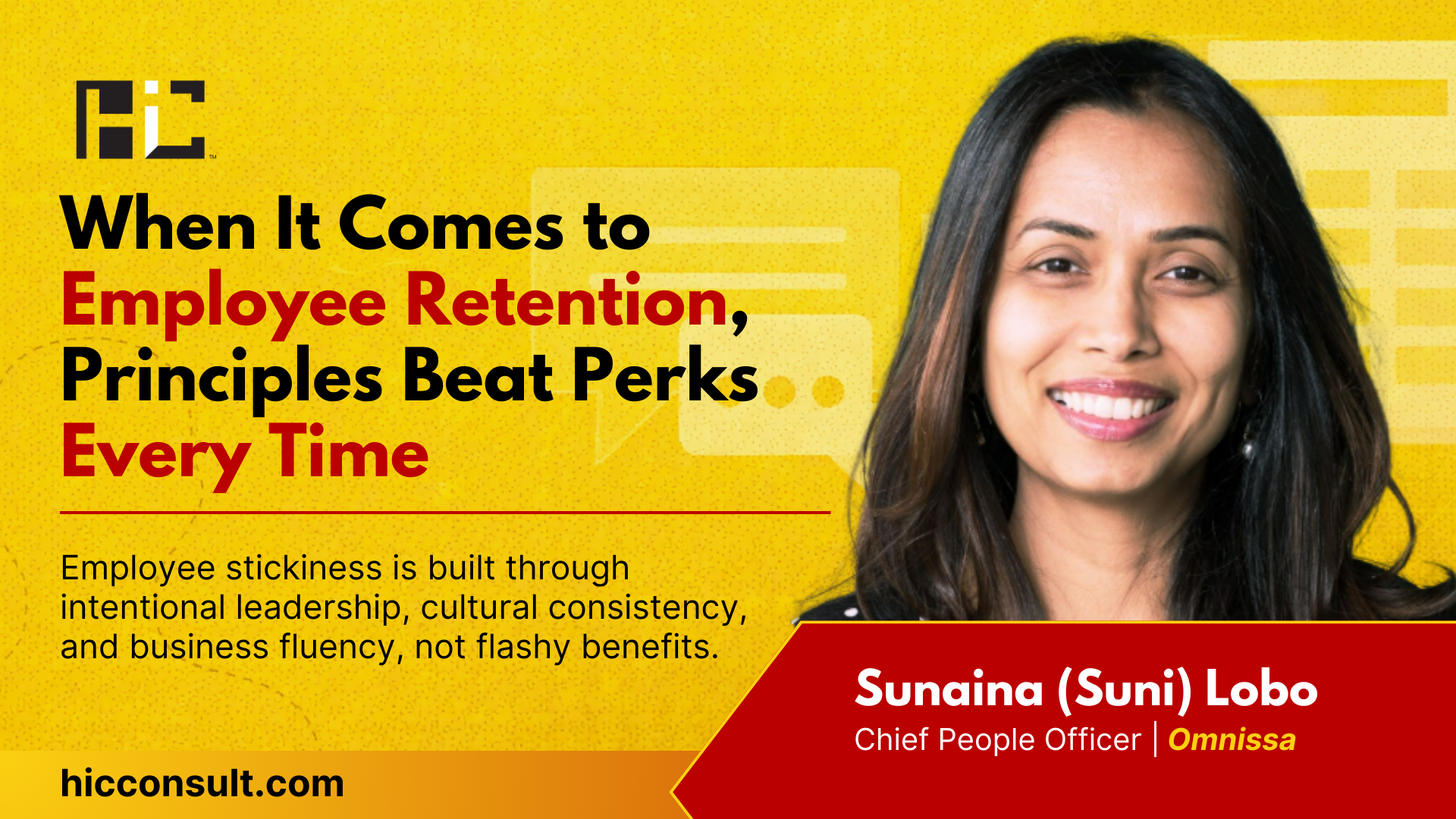
Not every company has a headline-grabbing mission but many outperform their peers in retention and growth. Why? Employee stickiness. In a recent conversation with Sunaina Lobo, Chief People Officer at Omnissa, one truth stood out: commitment isn’t built through perk, it’s built through intentional leadership, cultural consistency, and clarity in how the business wins.
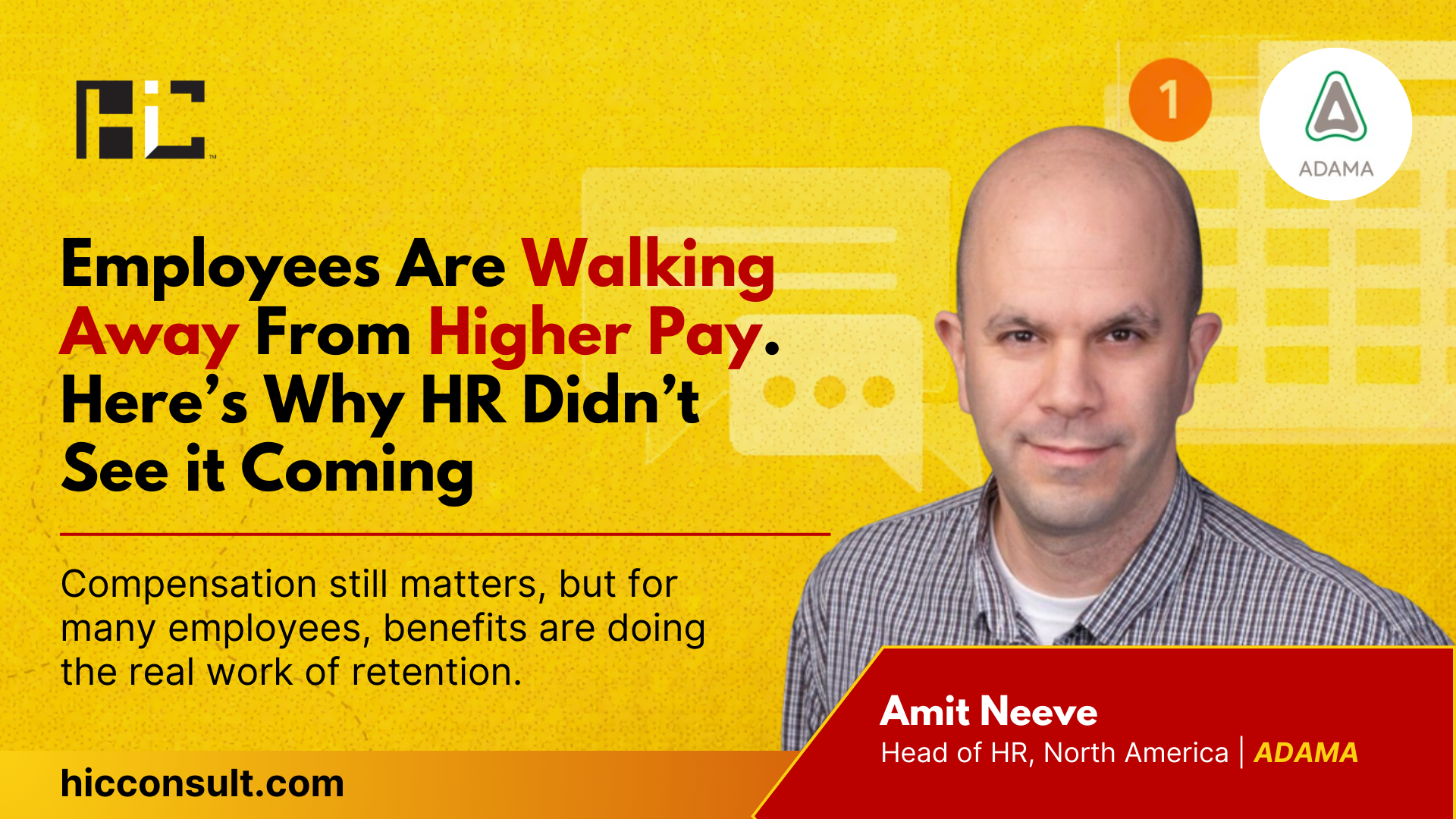
For years, compensation was seen as the ultimate retention lever, pay more, keep talent. But today’s workforce is making different trade-offs. In a recent conversation with Amit Neev, Head of HR, North America at ADAMA, one message stood out: employees may appreciate raises, but benefits shape how they experience their lives every day. The organizations winning in competitive markets aren’t always paying the most, they’re investing the smartest.
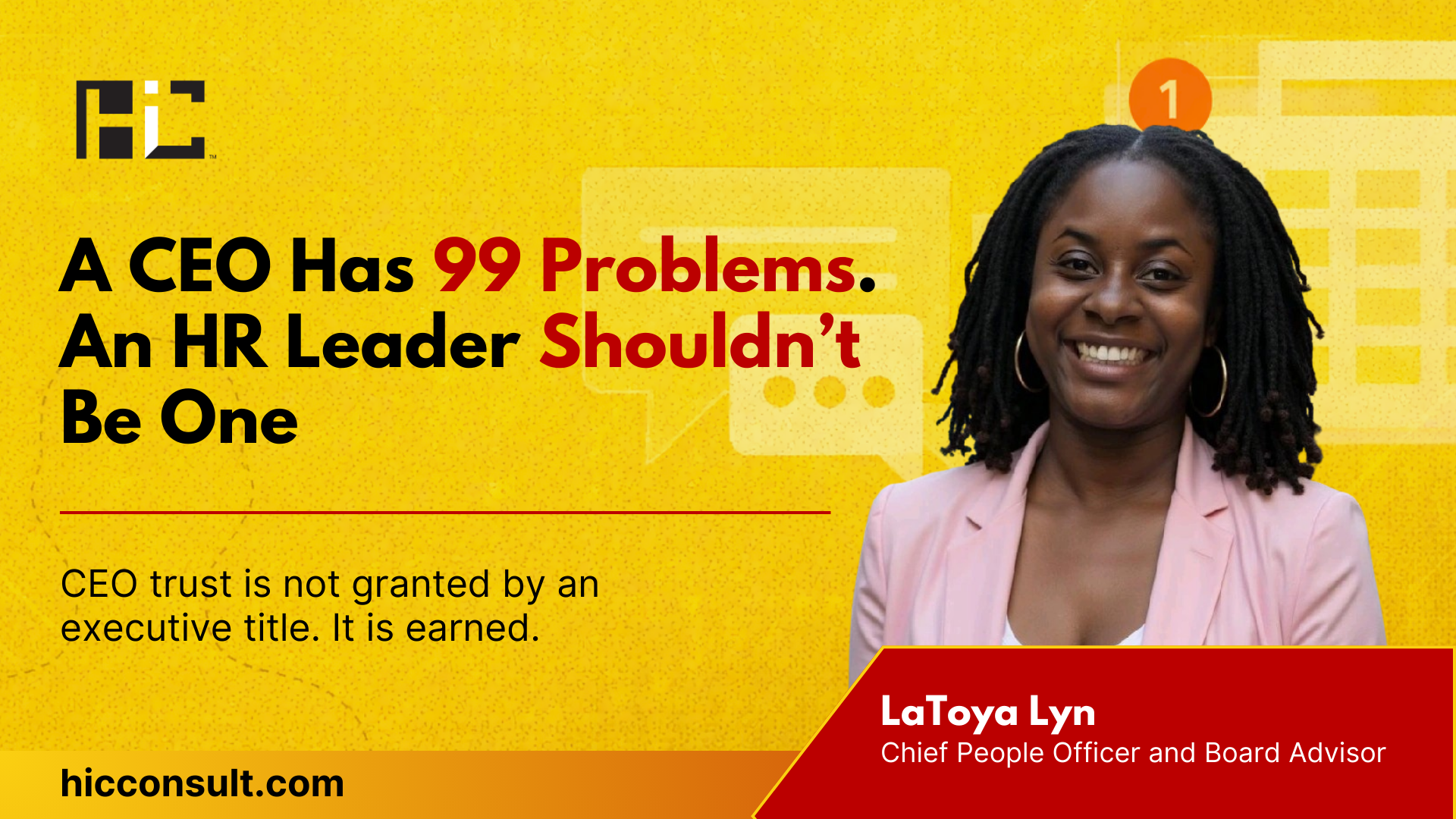
CEOs don’t need another order taker. They need an HR executive who understands the business as deeply as the balance sheet and connects employee performance directly to customer outcomes. As Chief People Officer LaToya Lyn shared, credibility isn’t granted by title, it’s earned by bringing insight, ownership, and a clear point of view before being asked.
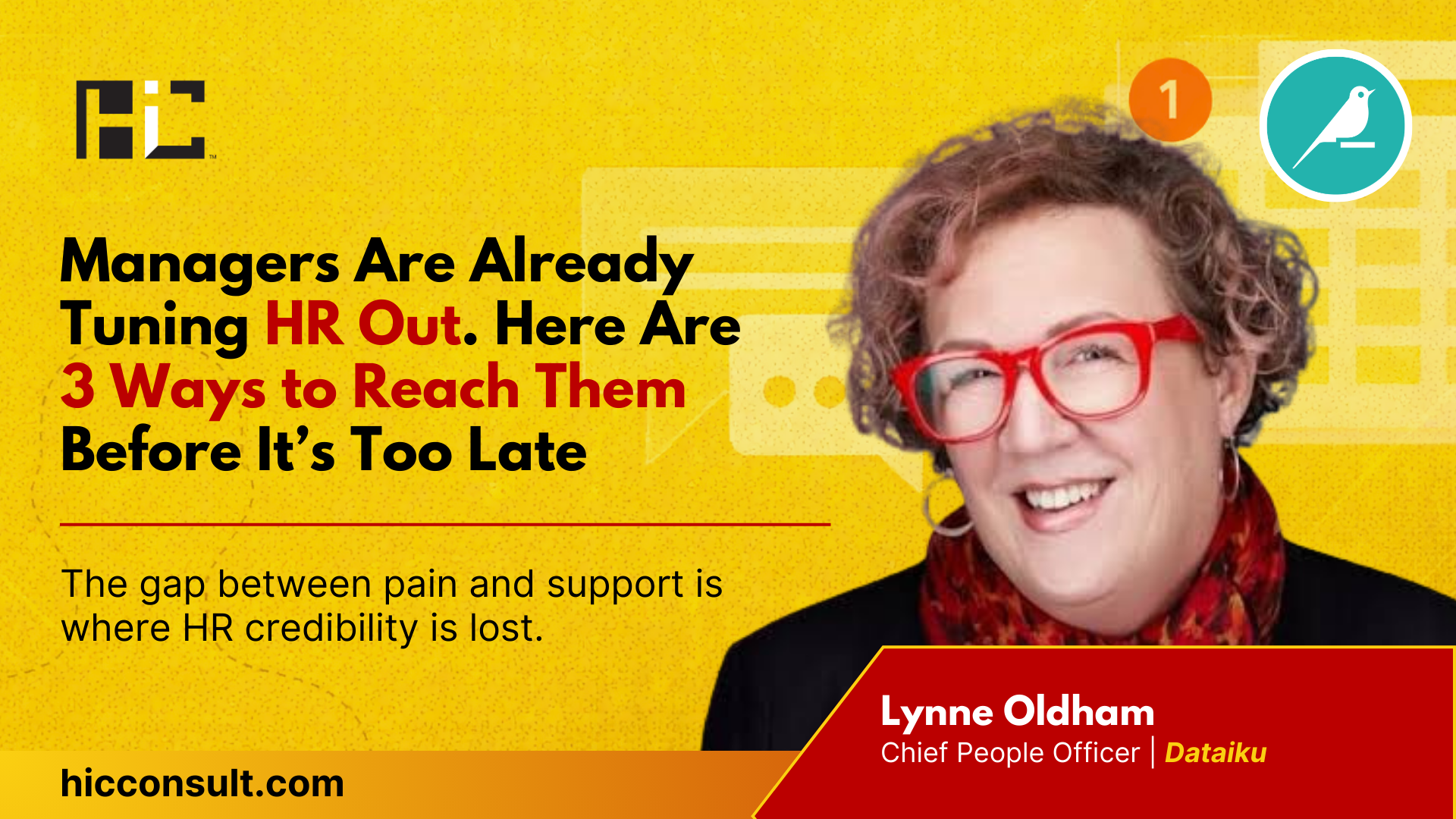
Managers don’t disengage from HR because they dislike people initiatives. They disengage because the help arrives too late. By the time training launches or playbooks are published, managers have already found workarounds—or chosen silence. As Lynne Oldham, Chief People Officer at Dataiku, explains, HR loses credibility in the gap between real-time pain and delayed support. Closing that gap is where impact begins.
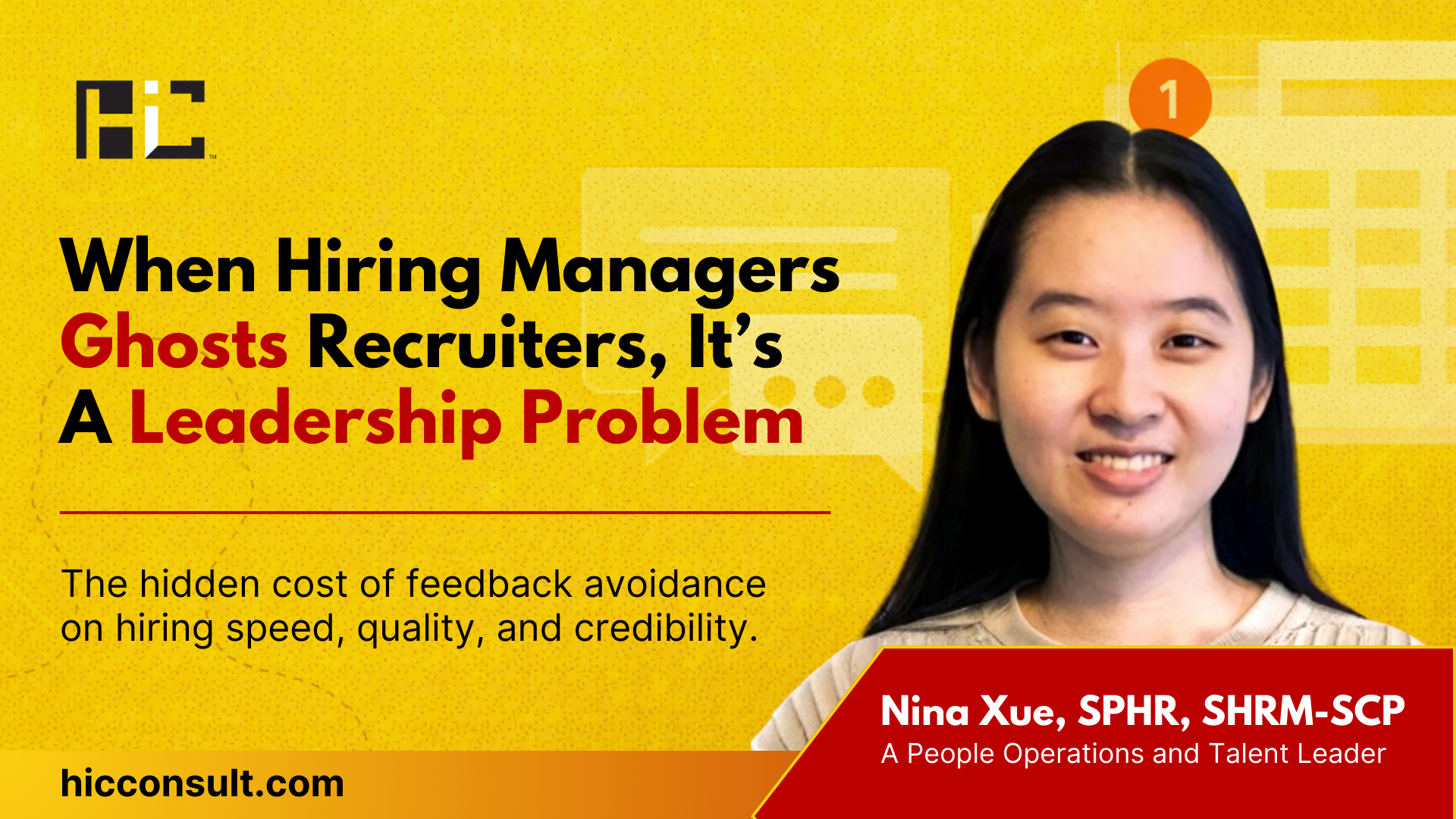
When hiring managers delay interview feedback yet complain about roles taking too long to fill, it’s not a talent acquisition failure, it’s a leadership accountability gap. As People leader Nina Xue notes, failing to close the feedback loop signals that hiring isn’t a priority, even when business growth depends on it. TA teams feel the pressure first, but the root issue is leadership behavior.
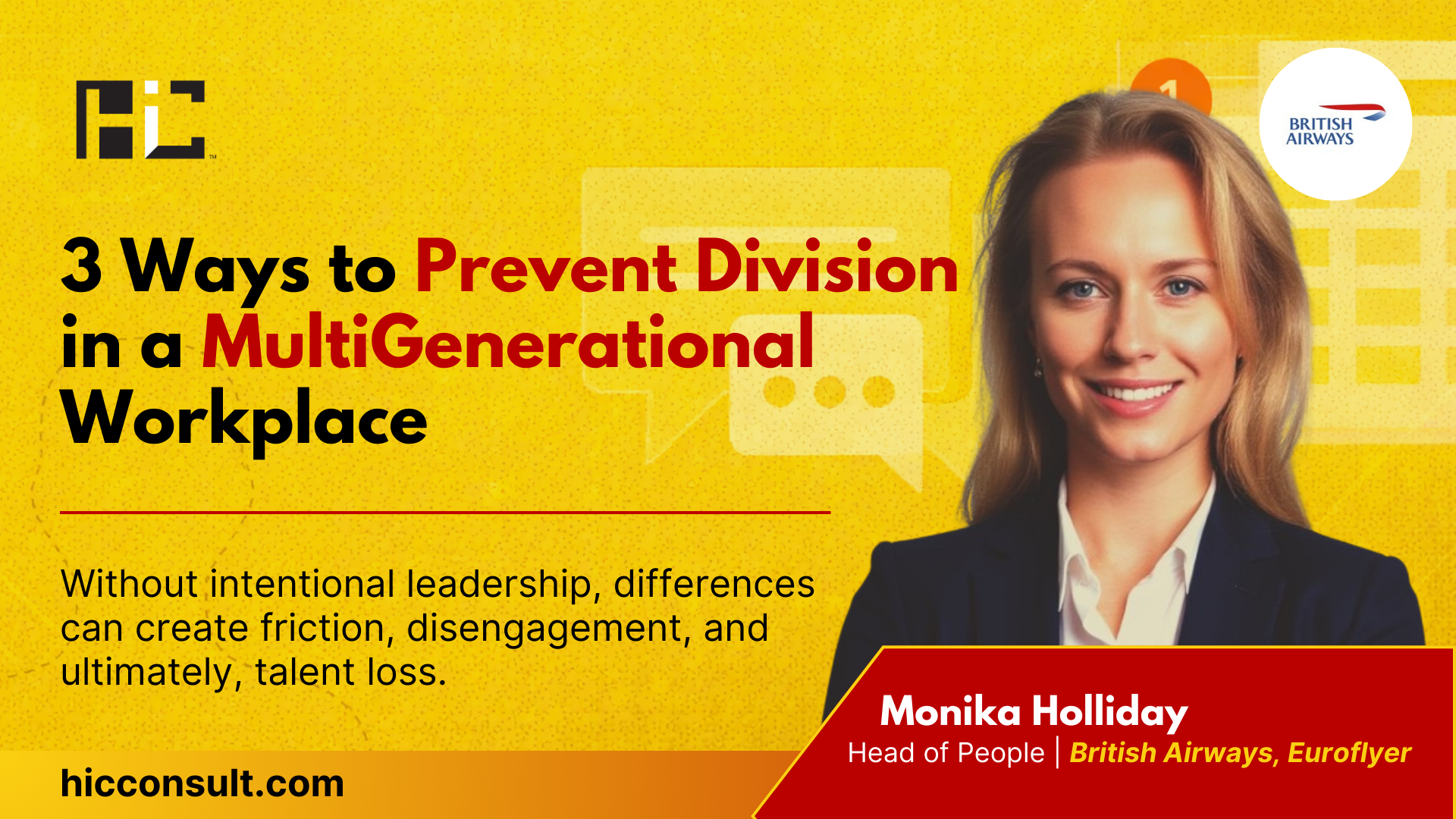
For the first time in modern history, five generations are working side by side and without intentional leadership, those differences can quickly turn into disengagement and talent loss. As Monika Holliday of British Airways Euroflyer notes, when leaders take the time to understand generational perspectives, they unlock engagement and innovation that would otherwise be lost. The opportunity is real but so is the risk if leaders don’t act.
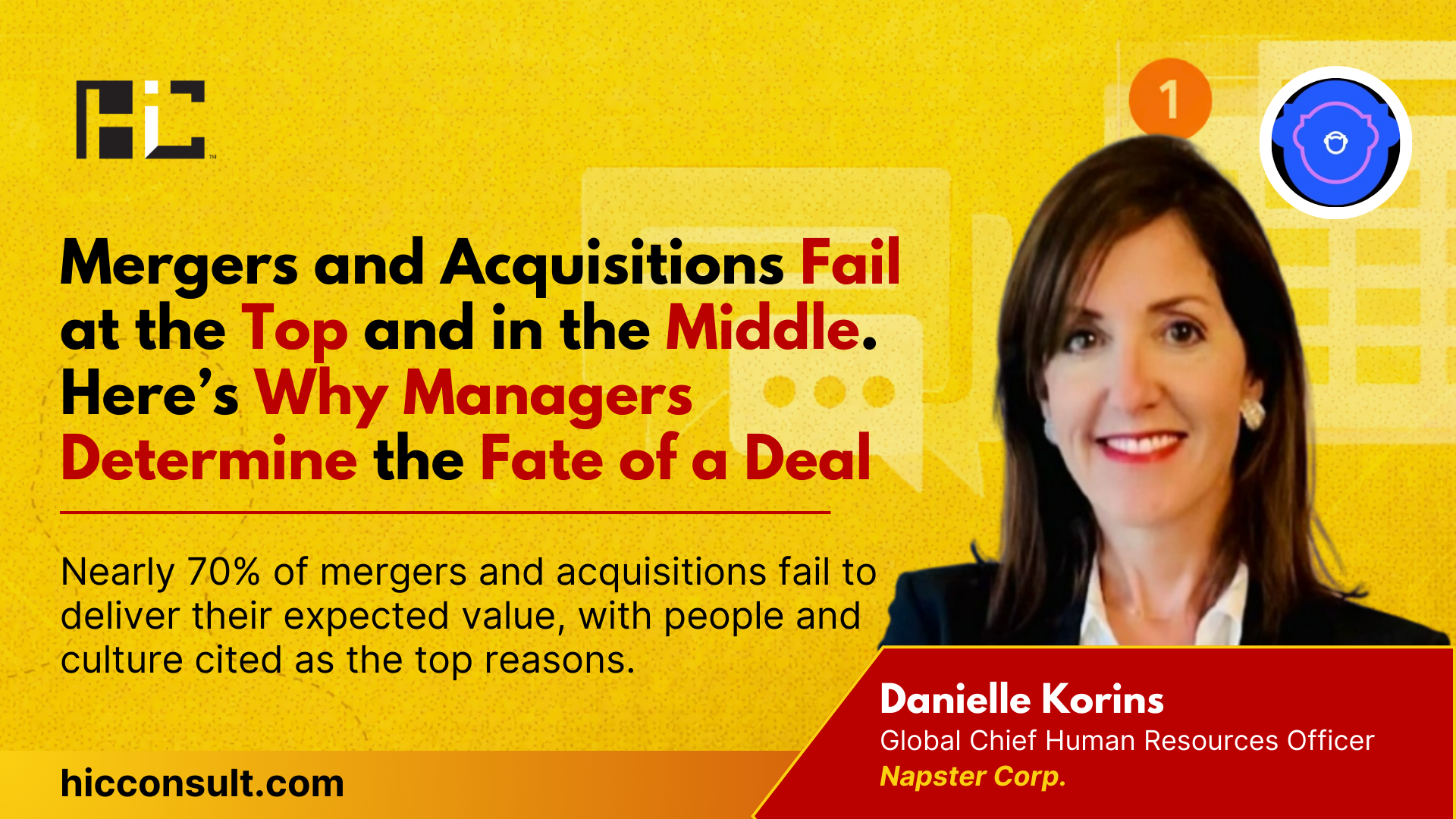
Nearly 70% of mergers and acquisitions fail to deliver their expected value and the reason isn’t financial. It’s people. As Danielle Korins, Global Chief Human Resources Officer, explains after navigating more than 50 M&A processes, M&A is where leadership stops being theoretical and starts being tested in real time. Employees don’t experience deals through press releases, they experience them through their managers.
Inside the HIC HR Hub, senior People leaders gathered for a roundtable that went beyond theory and into the real, human work of leadership. From high-stakes aviation insights shared by Monica Holliday to candid conversations about respect, trust, and rebuilding connection, one truth stood out: culture isn’t built by policy, it’s built through consistent, human leadership moments. This community isn’t reacting to the future of work. They’re shaping it.
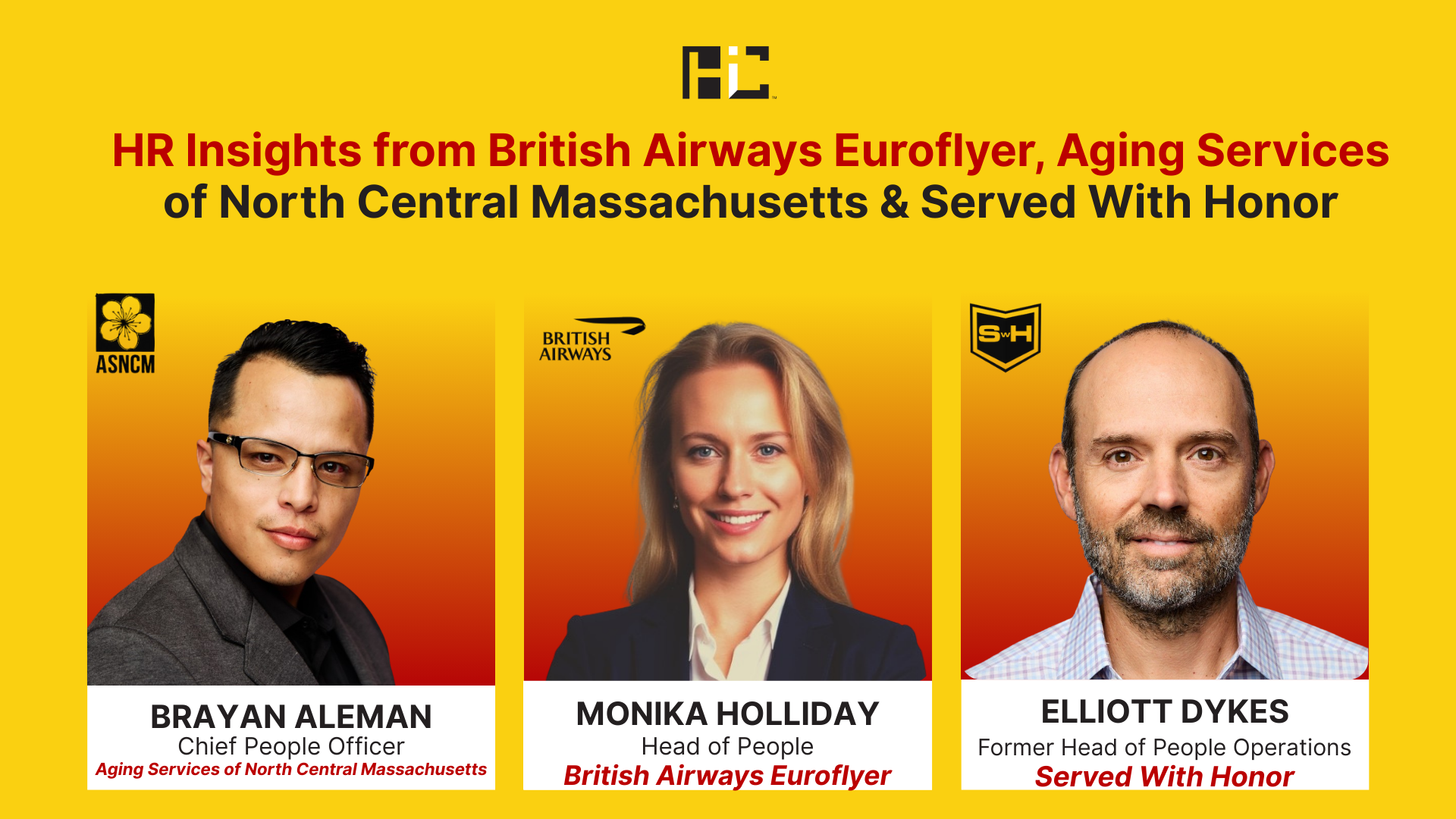
From global aviation to aging services to mission-driven nonprofits, HR leaders at British Airways Euroflyer, Aging Services of North Central Massachusetts, and Served With Honor are redefining what people leadership must look like in 2026. Their insights converge on a powerful truth: the future of HR demands agility, multi-generational alignment, strategic clarity, and the courage to lead with humanity in complex environments.
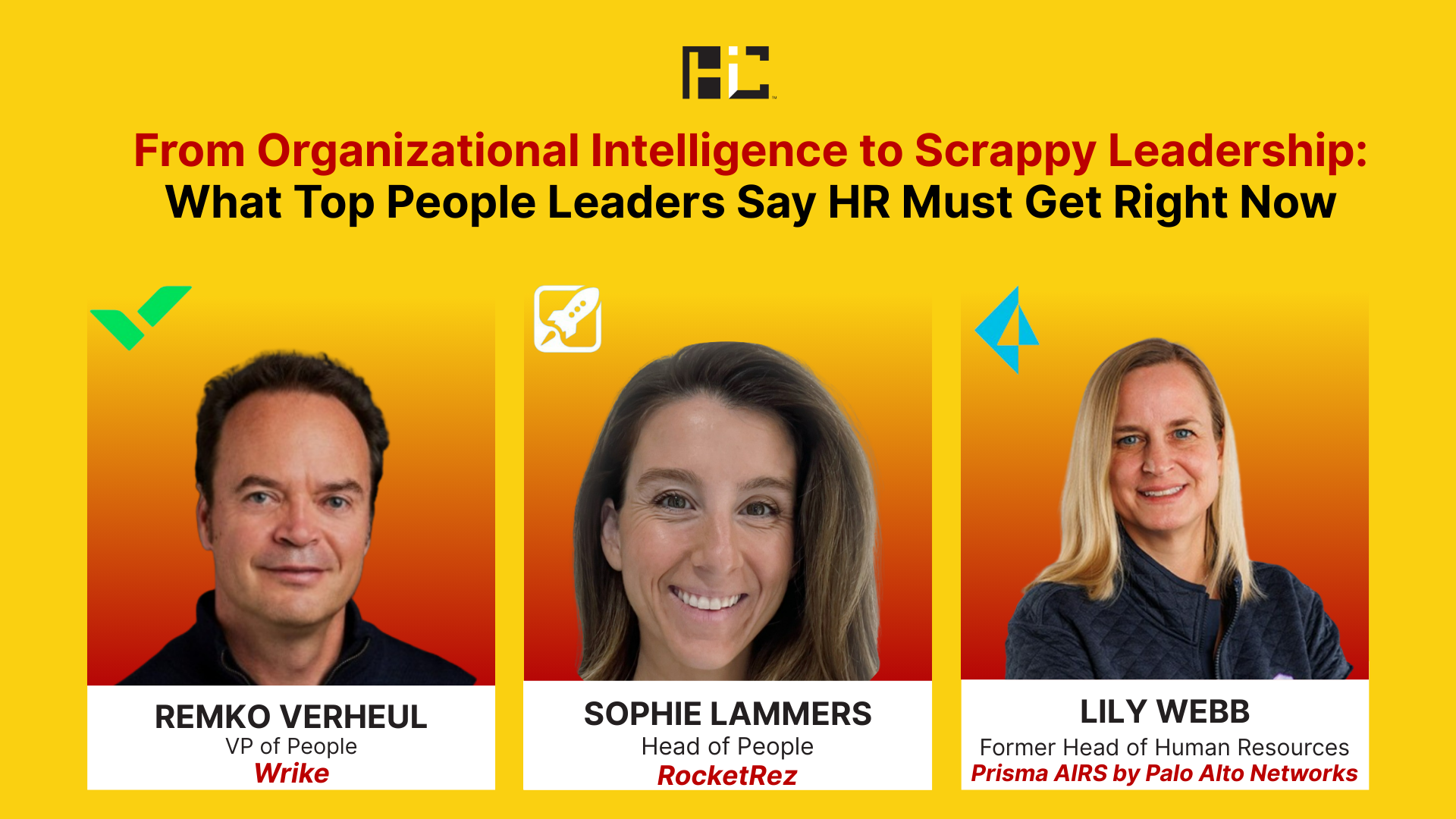
The future of work isn’t being shaped by trends, it’s being built quietly by HR leaders inside complex organizations. Insights from People leaders at Wrike, RocketRez, and Prisma AIRS by Palo Alto Networks reveal a clear shift: winning organizations are prioritizing organizational intelligence, scrappy leadership, and intentional design over flashy tools or performative culture work. HR’s role has moved from running programs to architecting how work actually gets done.
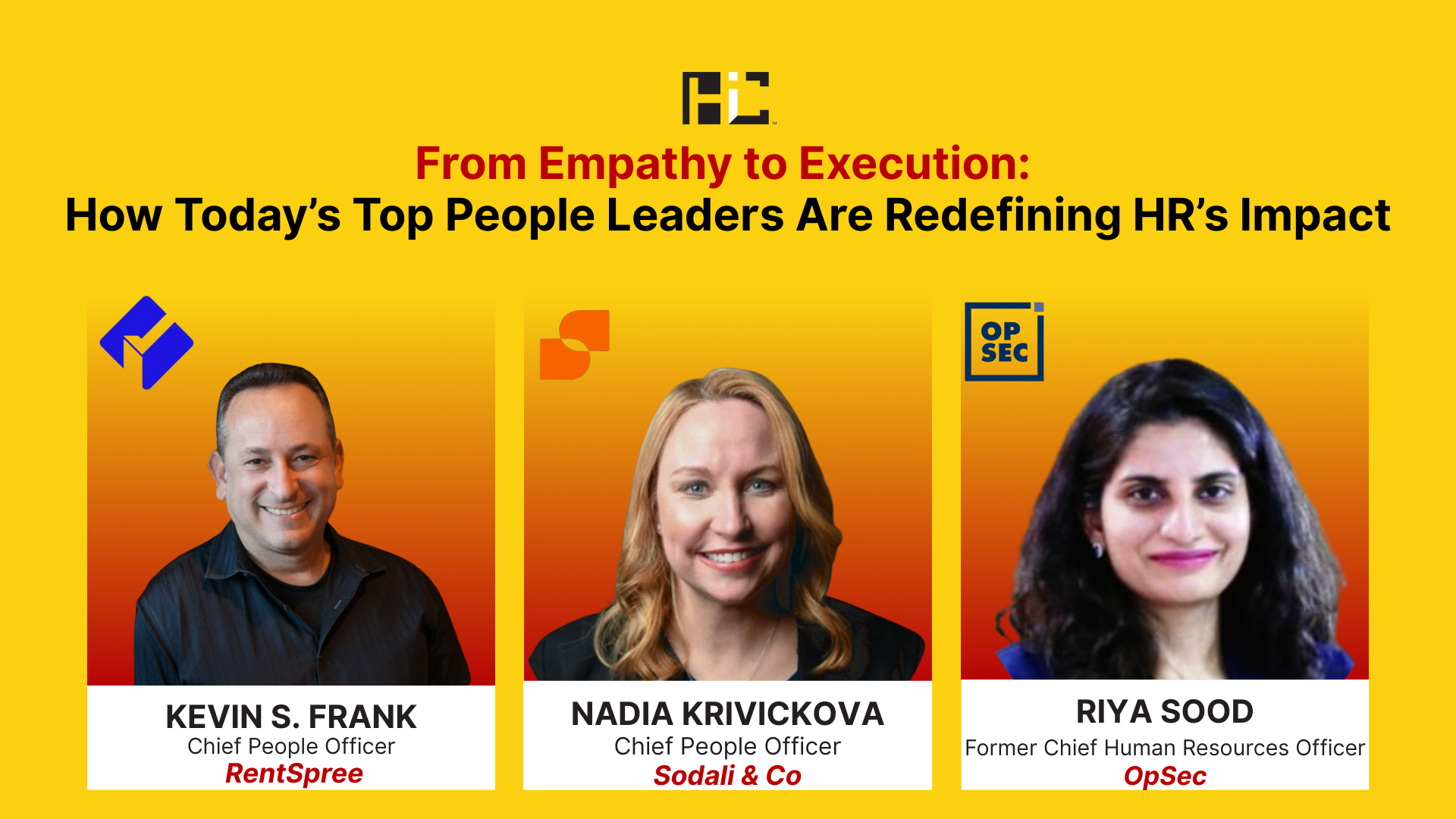
From proptech to global advisory to brand protection, HR leaders at RentSpree, Sodali & Co, and OpSec are redefining what impact looks like in modern people leadership. Their insights make one thing clear: the future of HR belongs to leaders who can balance empathy with execution, data with humanity, and global perspective with operational discipline. This is how HR moves from support function to true business driver.
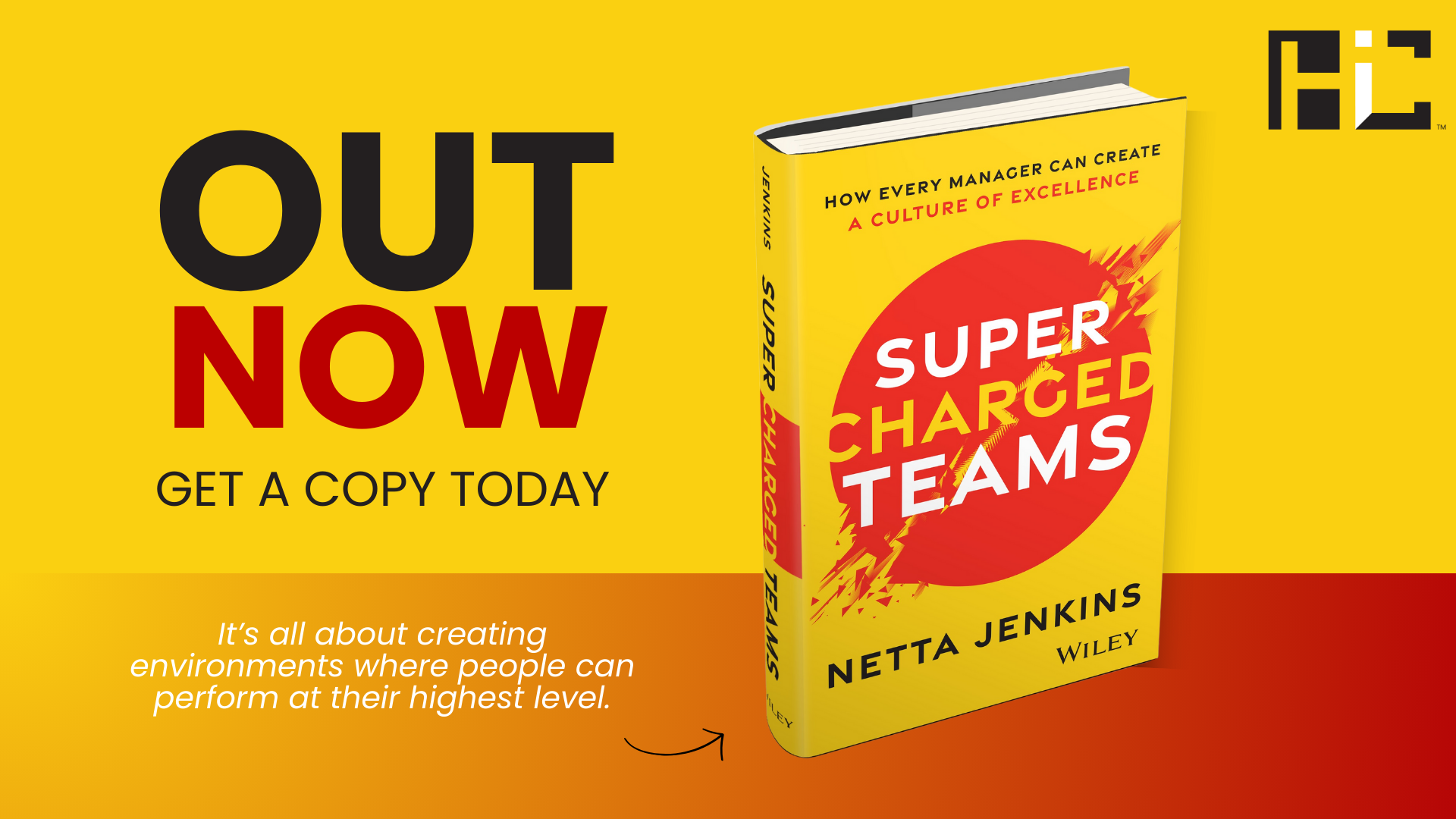
I’m opening the first box of Supercharged Teams on Martin Luther King Jr. Day and the weight of this moment isn’t lost on me. Dr. King reminded us that leadership isn’t about title or comfort, it’s about courage, responsibility, and building systems that actually work. This book is for the managers in the middle, the first-time leaders, the executives under pressure, and anyone committed to leading people forward with purpose.
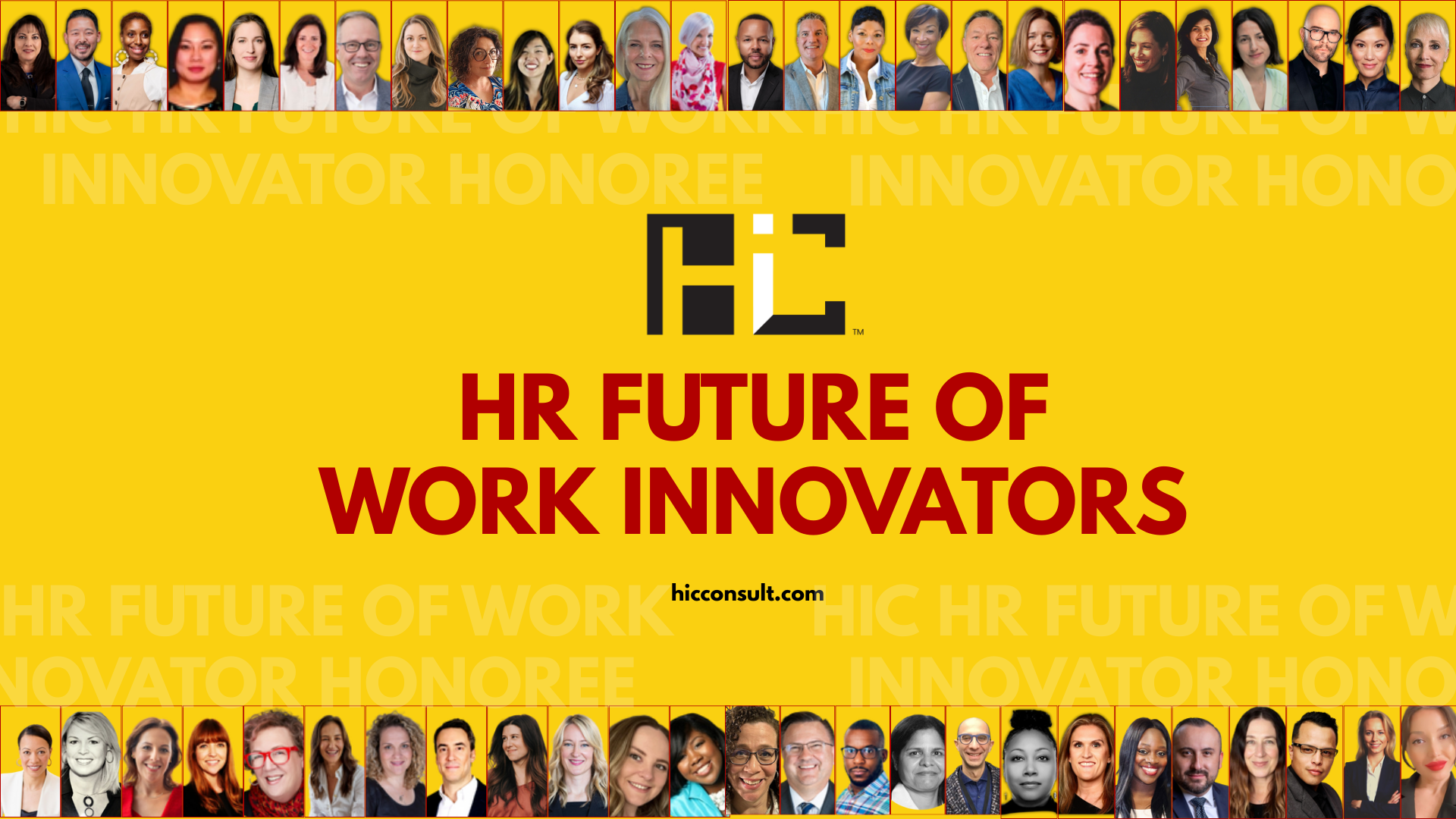
HIC is proud to recognize the Top 51 HR Future of Work Innovators, senior People leaders who are quietly, intentionally redefining how work actually works. Chosen through deep listening, real-world impact, and the voices of employees themselves, these leaders represent the future of HR not because of visibility, but because of the cultures they build and the trust they earn.
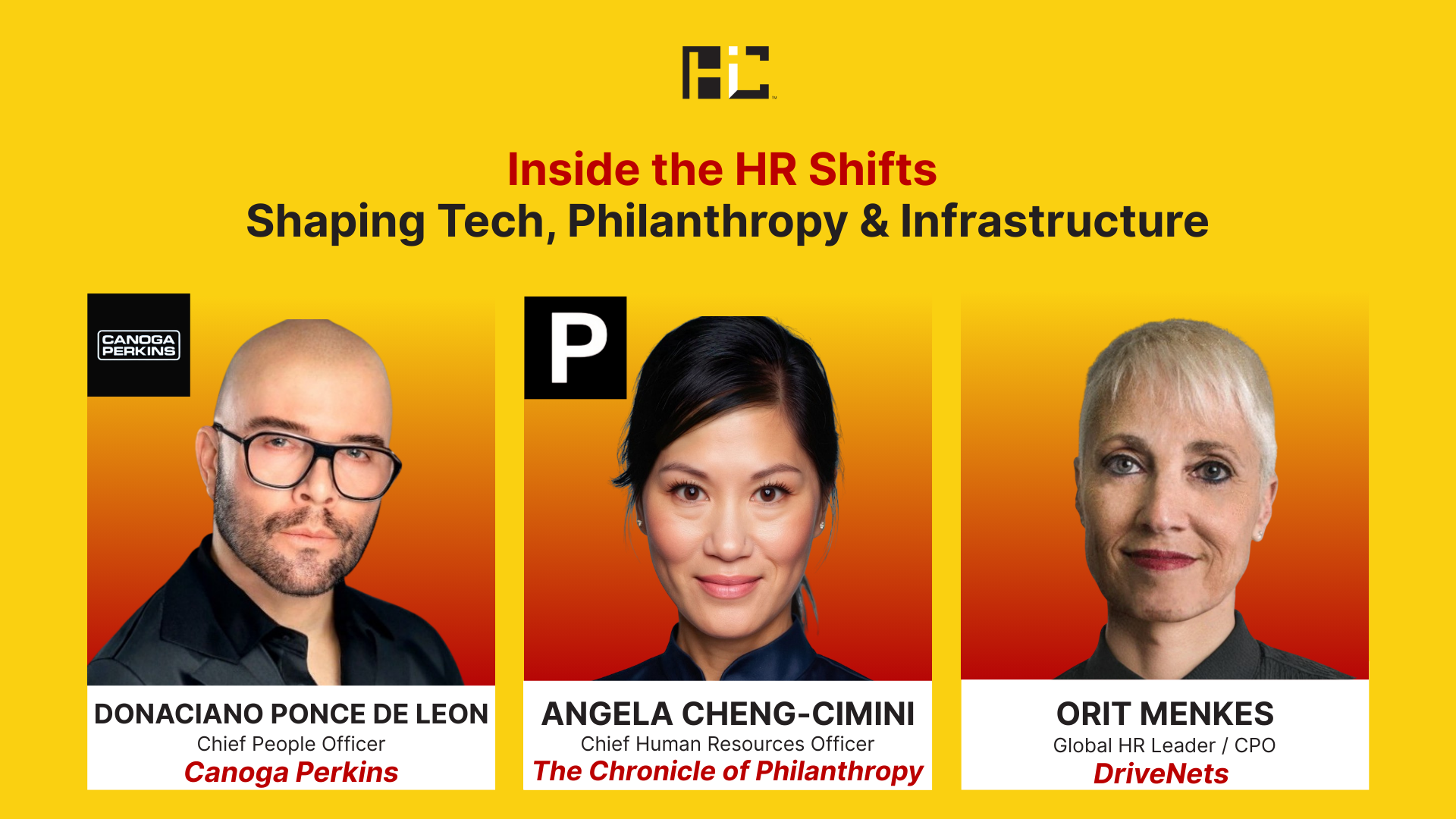
As AI reshapes work and expectations accelerate, HR leaders are being pulled closer to the center of business strategy than ever before. Leaders like Orit Menkes, Angela Cheng-Cimini, and Donaciano Ponce de León are proving that the future of people leadership isn’t reactive or administrative, it’s disciplined, transparent, AI-literate, and deeply human. Their insights reveal the new operating system HR must design to lead organizations into 2026 and beyond.